A conversation with Ben Bolte on The State of Humanoid Robotics: Hardware, Intelligence, and Where the Opportunity Lives
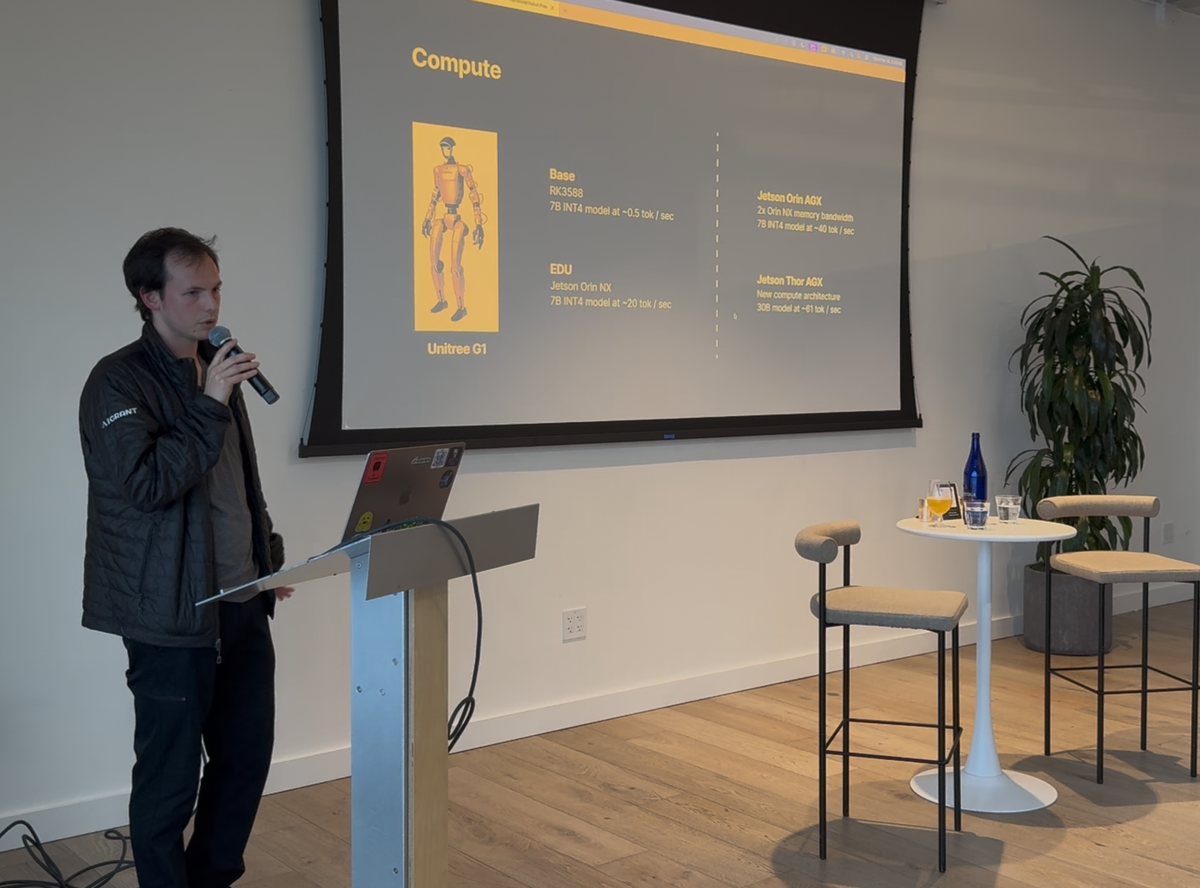
A conversation with Ben Bolte — AI & Robotics Engineer, formerly K-Scale Labs, now at OpenAI
About the Speaker
Ben Bolte is a roboticist and AI engineer who recently joined OpenAI. He previously founded and led K-Scale Labs, building open-source general-purpose humanoid robots for embodied intelligence. Before that, he worked at Tesla (where he trained and deployed the first autoregressive transformer for car waypoints and wrote CUDA kernels later adapted for the Optimus robot), Meta (where he deployed the first transformer for content moderation and co-developed a billion-parameter speech foundation model), and Google and Amazon. He holds a degree in Mathematics and Computer Science from Emory University, with research in computational neuroscience and neuromorphic computing at Georgia Tech.
Learn more: ben.bolte.cc/about
Overview
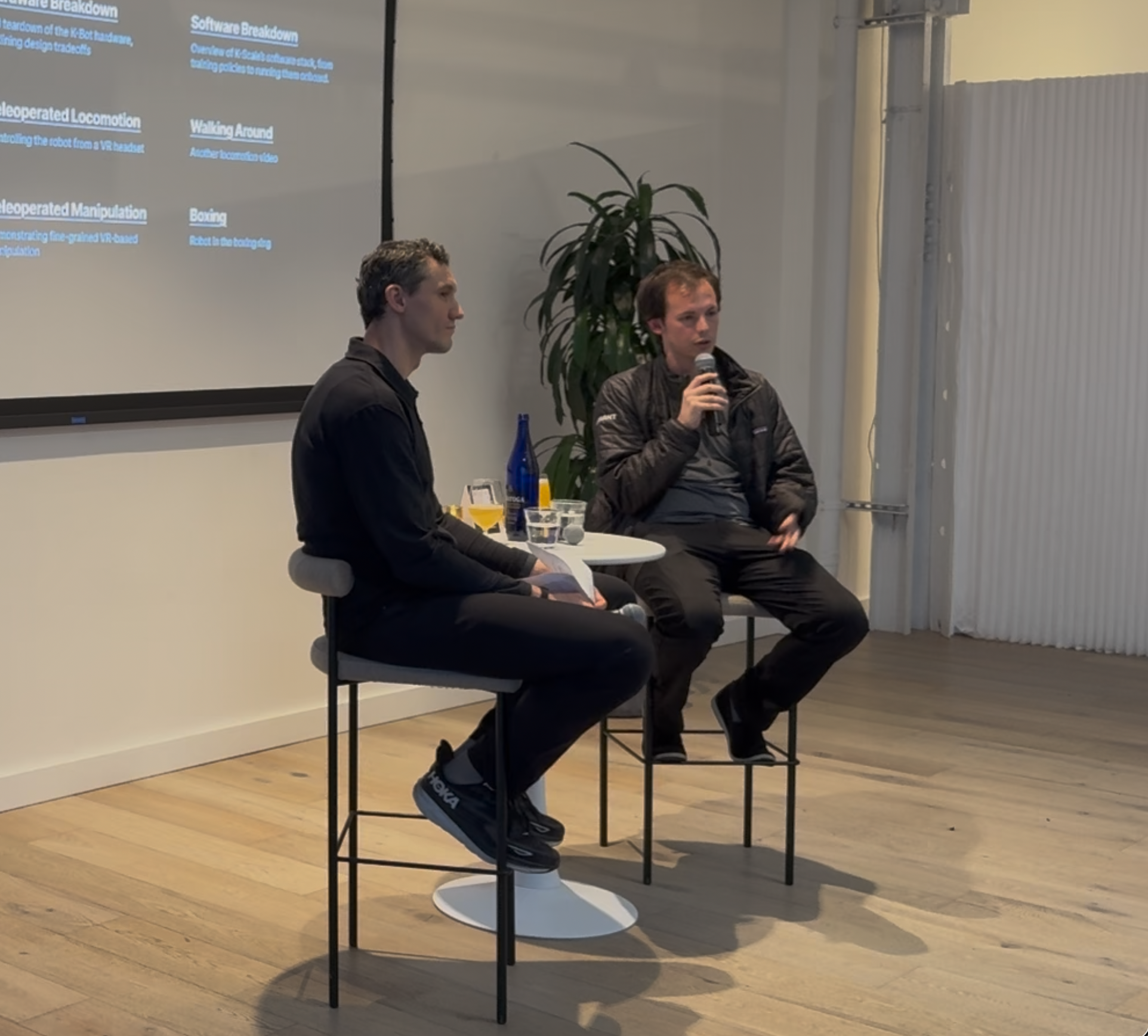
On Tuesday, February 18, the Shack15 Angel Syndicate hosted its monthly meetup with a special fireside chat featuring Ben Bolte. Ben walked the room through the physics of robot actuators, the software paradigm shift from classical robotics to machine learning, and where he sees investment opportunities forming in the next 12–24 months. This was not a glossy pitch deck—it was an insider’s tour of the technology stack that will define the next wave of physical AI. Below are the key takeaways for investors and founders.
Key Takeaway #1: Actuators Are the Atom of Robotics
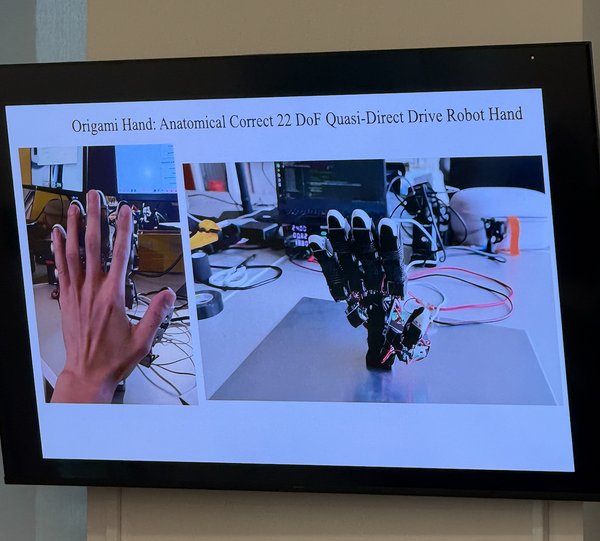
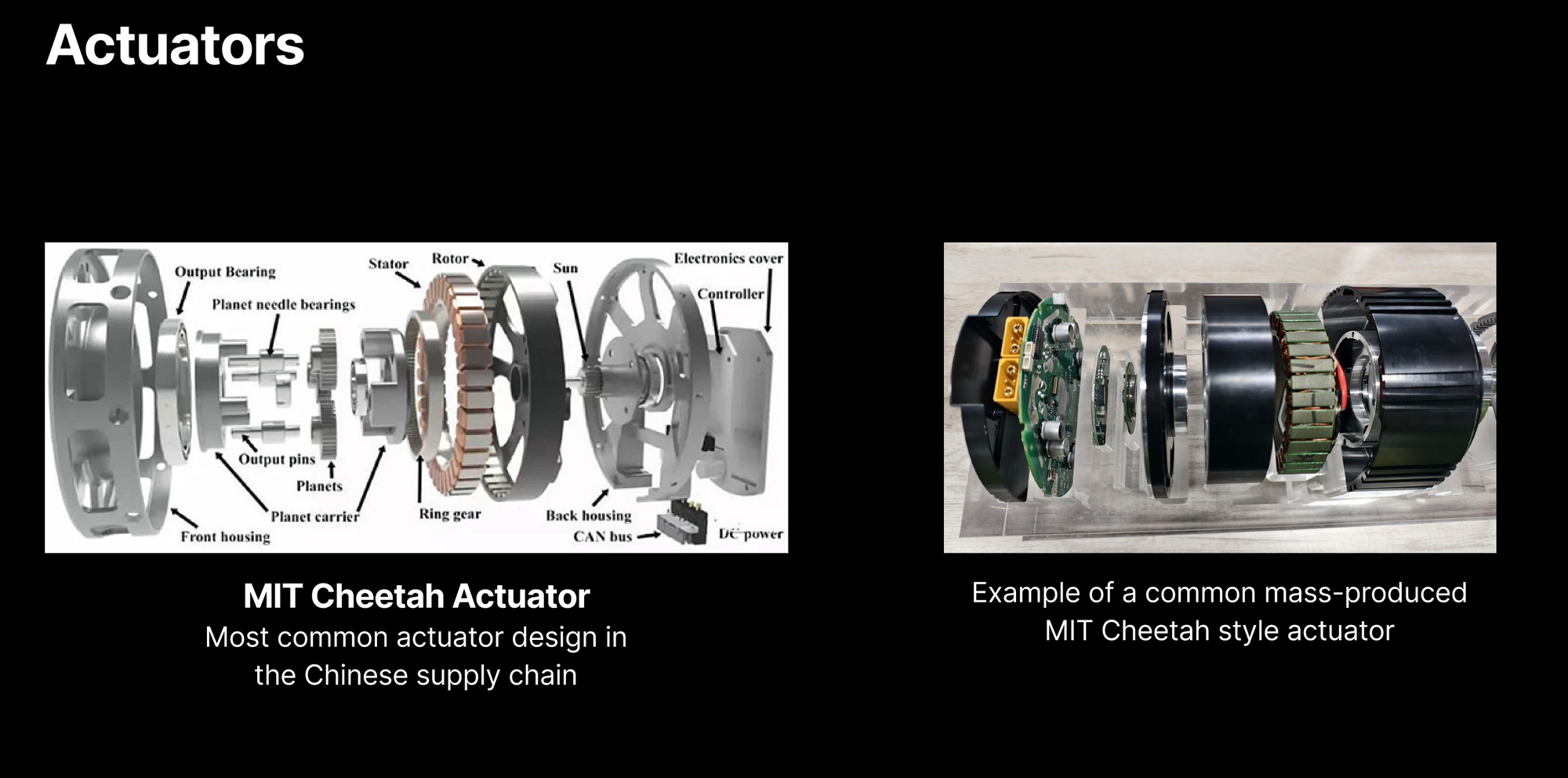
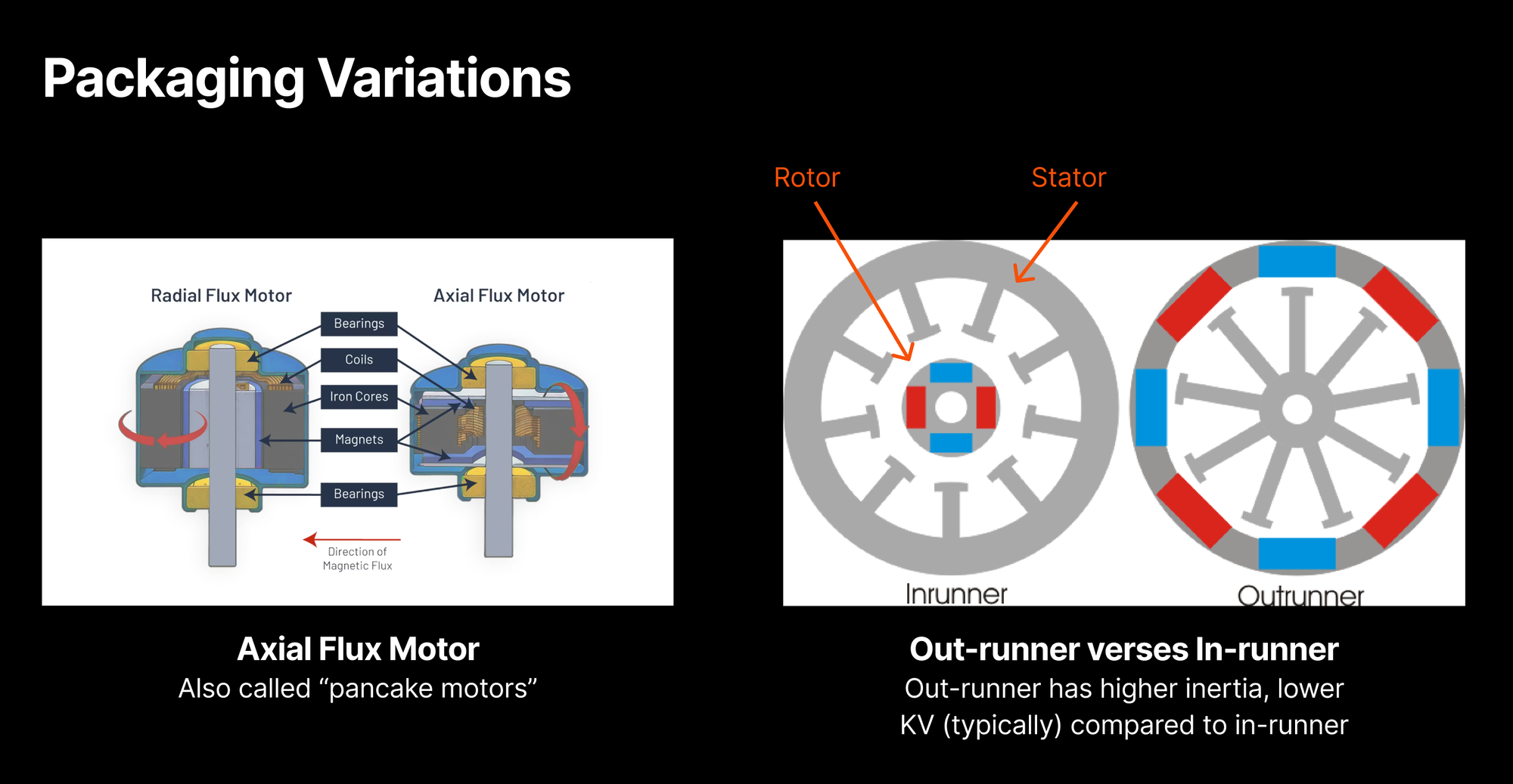
Ben spent considerable time demystifying the core hardware that makes a humanoid robot move: the actuator. His central message was that all permanent magnet synchronous motors are governed by the same fundamental physics—the Lorentz force—and there is no magic shortcut around it. Companies that pitch “revolutionary” actuator designs (axial flux, radial flux, etc.) are often just describing packaging differences, not physics breakthroughs.
The MIT Cheetah actuator is the open-source design that spawned China’s entire humanoid robotics ecosystem. Unitree’s CEO reverse-engineered Boston Dynamics, couldn’t replicate their actuators, and instead adopted the MIT design. Now dozens of Chinese manufacturers produce variants of it.
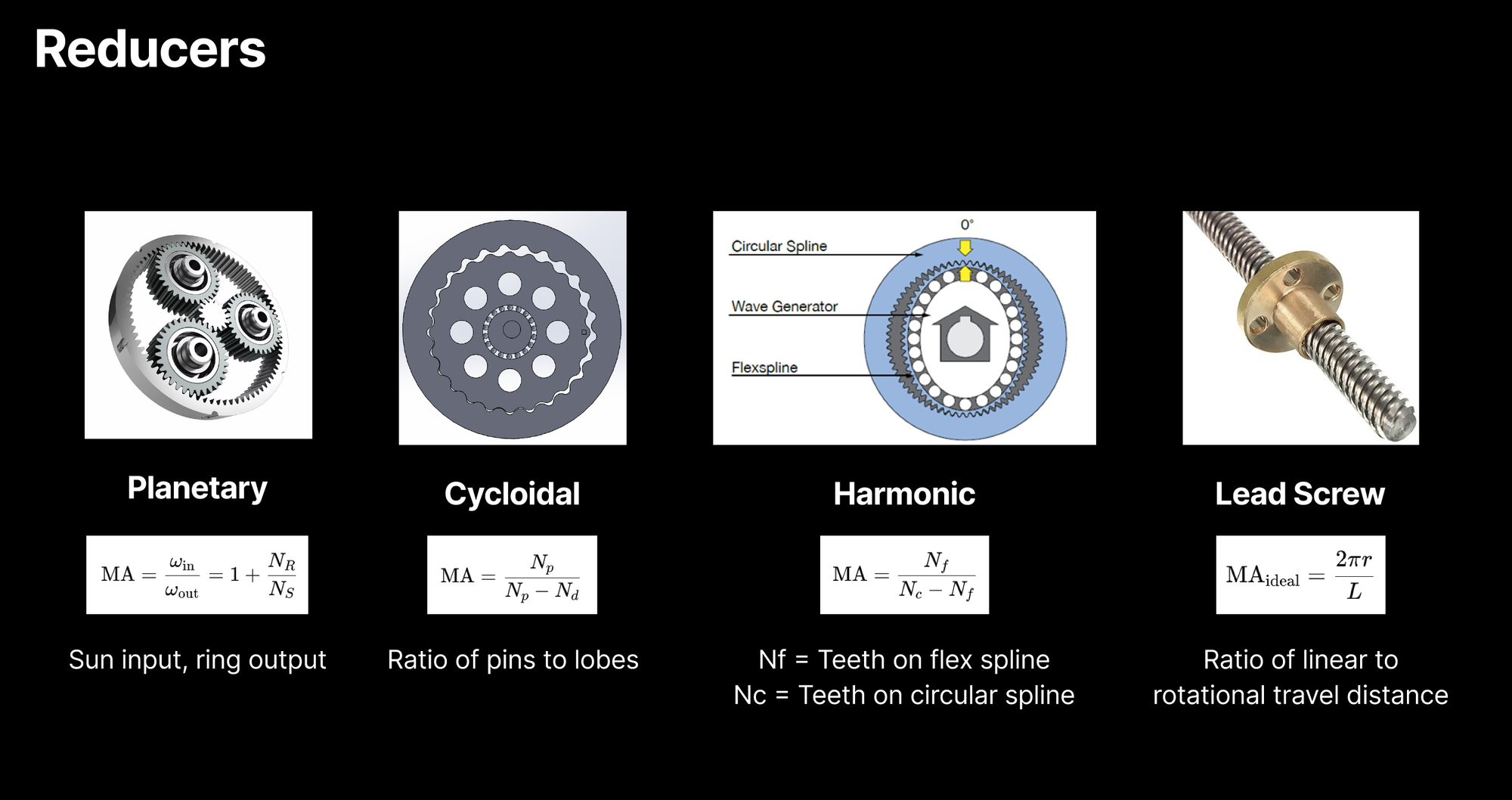
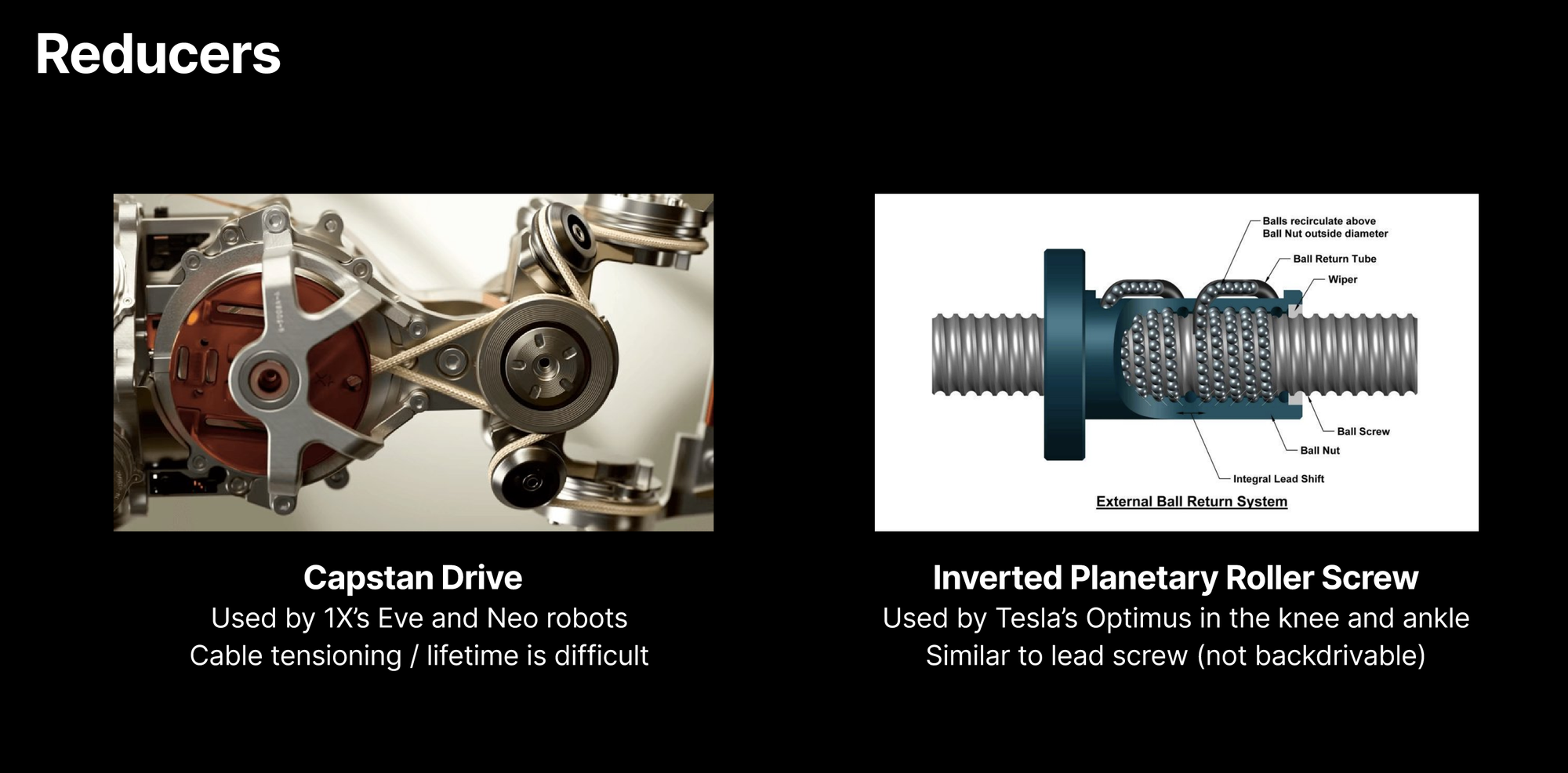
Reducers matter as much as motors. Harmonic gears dominate in China. Tesla chose an inverted planetary reducer—impressive for lifting heavy loads, but non-backdrivable, which made simulation-based training (the dominant approach in China) nearly impossible. This arguably set Tesla’s Optimus program back compared to competitors like Unitree.
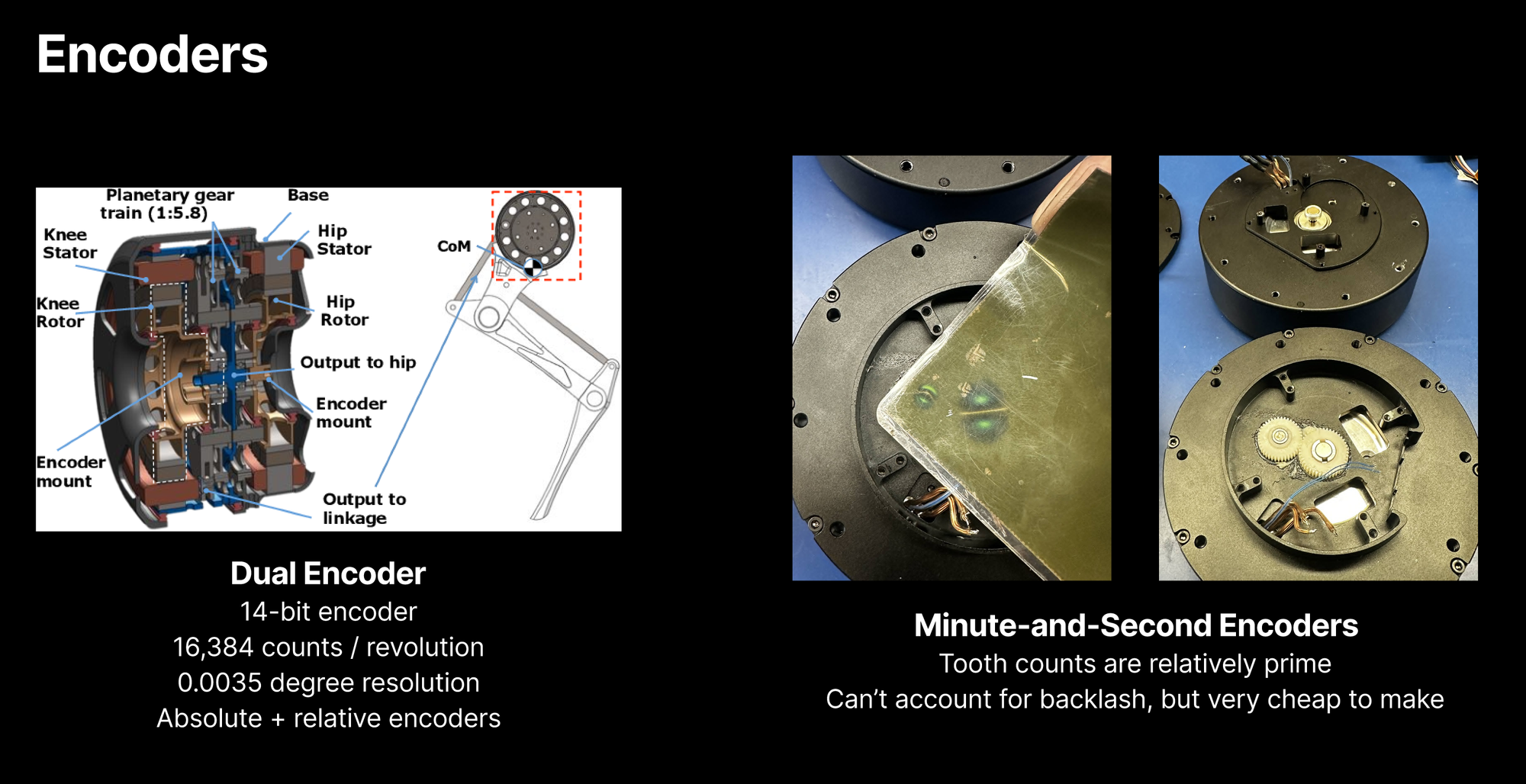
Ben highlighted a company called RobStride that used an ingenious dual-encoder approach to make their actuators automatically assemblable, slashing manufacturing cost—even though it sacrificed some precision. That trade-off drove massive sales volume. “All of engineering is about trade-offs,” Ben noted. “The question is whether the trade-off unlocks a business.”
Key Takeaway #2: China’s Lead Is Real—and It’s Built on Ecosystem
A recurring theme was China’s dominance in humanoid robot hardware. Ben described visiting actuator factories, seeing firsthand how Chinese manufacturers are commoditizing components that U.S. companies still struggle to source. Companies like Unitree, Noetics, and others in Beijing are building robots by purchasing off-the-shelf actuators from suppliers like Ancos and focusing on integration and intelligence—not reinventing the motor.
K-Scale’s own journey reflected this: their robot was manufactured in China because U.S. CNC vendors refused to machine complex billet designs that Chinese shops handled without hesitation. Ben recommended the deep-dive report “Humanity’s Blast Machine” for anyone wanting to understand the full Chinese humanoid robotics ecosystem.
Key Takeaway #3: The Machine Learning Paradigm Shift Is the Whole Story
Ben used a powerful analogy: the history of machine translation. A team of linguists and 50,000 lines of handcrafted code was beaten by someone with no linguistics knowledge who simply trained a model on bilingual data—in 500 lines. The same disruption is happening in robotics.
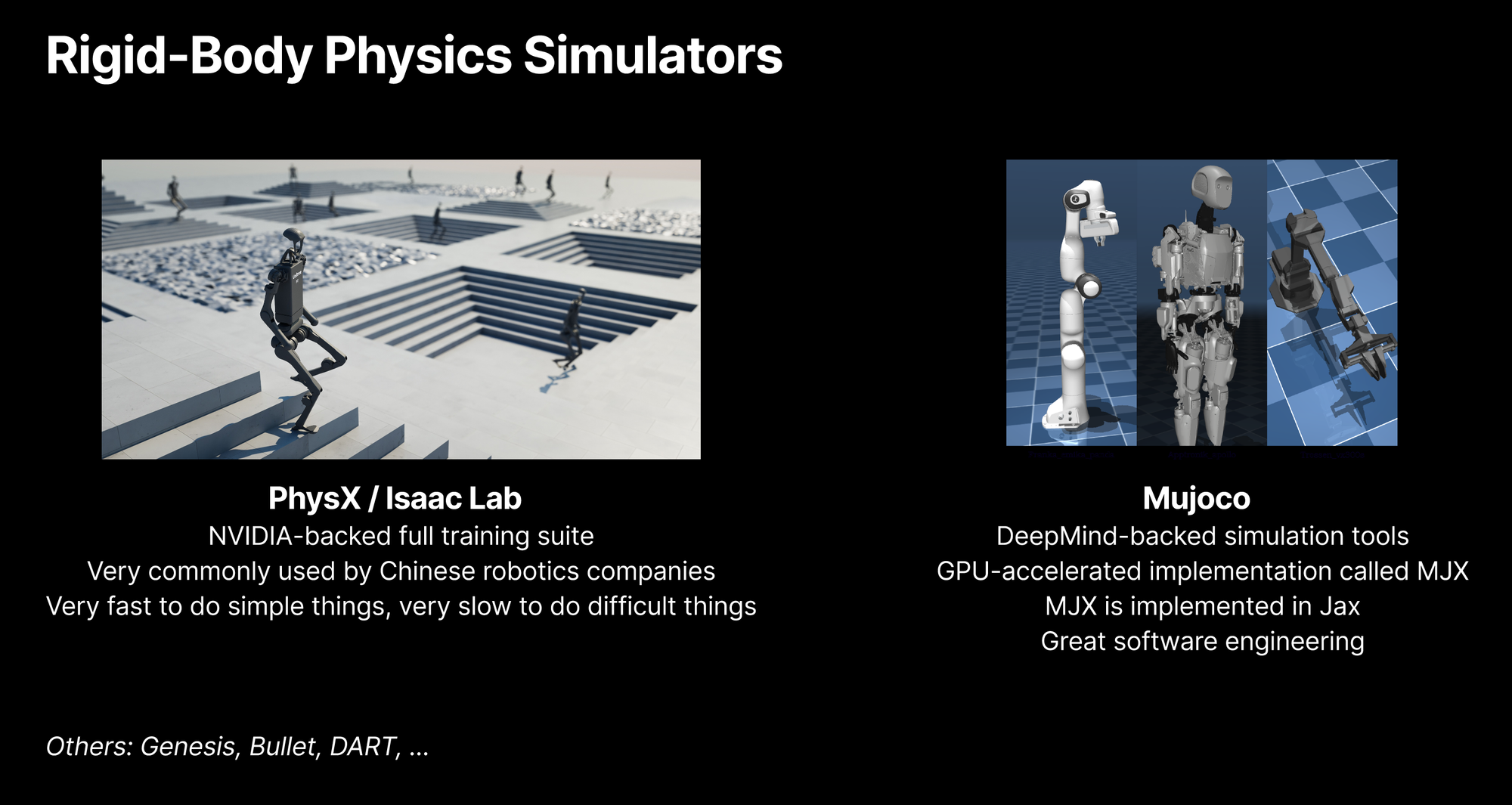
Boston Dynamics built beautiful robots with classical C++ control systems—they can do backflips but not much else general-purpose. Unitree, by contrast, put millions of simulated robots through reinforcement learning and achieved backflips on hardware that costs a hundredth of the price. And the crucial point: it’s not just backflips. Once you have the data and the paradigm, it’s everything—just like translation wasn’t just English-to-Spanish.
Ben’s strong view: He would not want to back a company led by classical roboticists who don’t deeply understand machine learning. The winning teams will be those who understand intelligence first and then build or buy the hardware to embody it.
Key Takeaway #4: Why Robotics, Why Now
Ben framed the robotics investment thesis bluntly: OpenAI and frontier LLM labs are making pure software and SaaS startups increasingly hard to defend. Physical AI—robots that operate in the real world—is the category that remains defensible because the real world involves hardware, manufacturing, and embodied data that can’t be trivially replicated by a foundation model.
On timelines, Ben was cautiously optimistic: unlike self-driving, which took a decade partly because the AI paradigm wasn’t mature, humanoid robotics is arriving at a moment when intelligence is already scaling. His former team at Tesla went from self-driving (now largely solved on Tesla’s infrastructure) to Optimus as the next frontier. He doesn’t think humanoids will be a 10-year project.
Key Takeaway #5: Where the Investment Opportunities Are
Ben flagged several specific areas he believes present compelling opportunities.
Onboard Compute
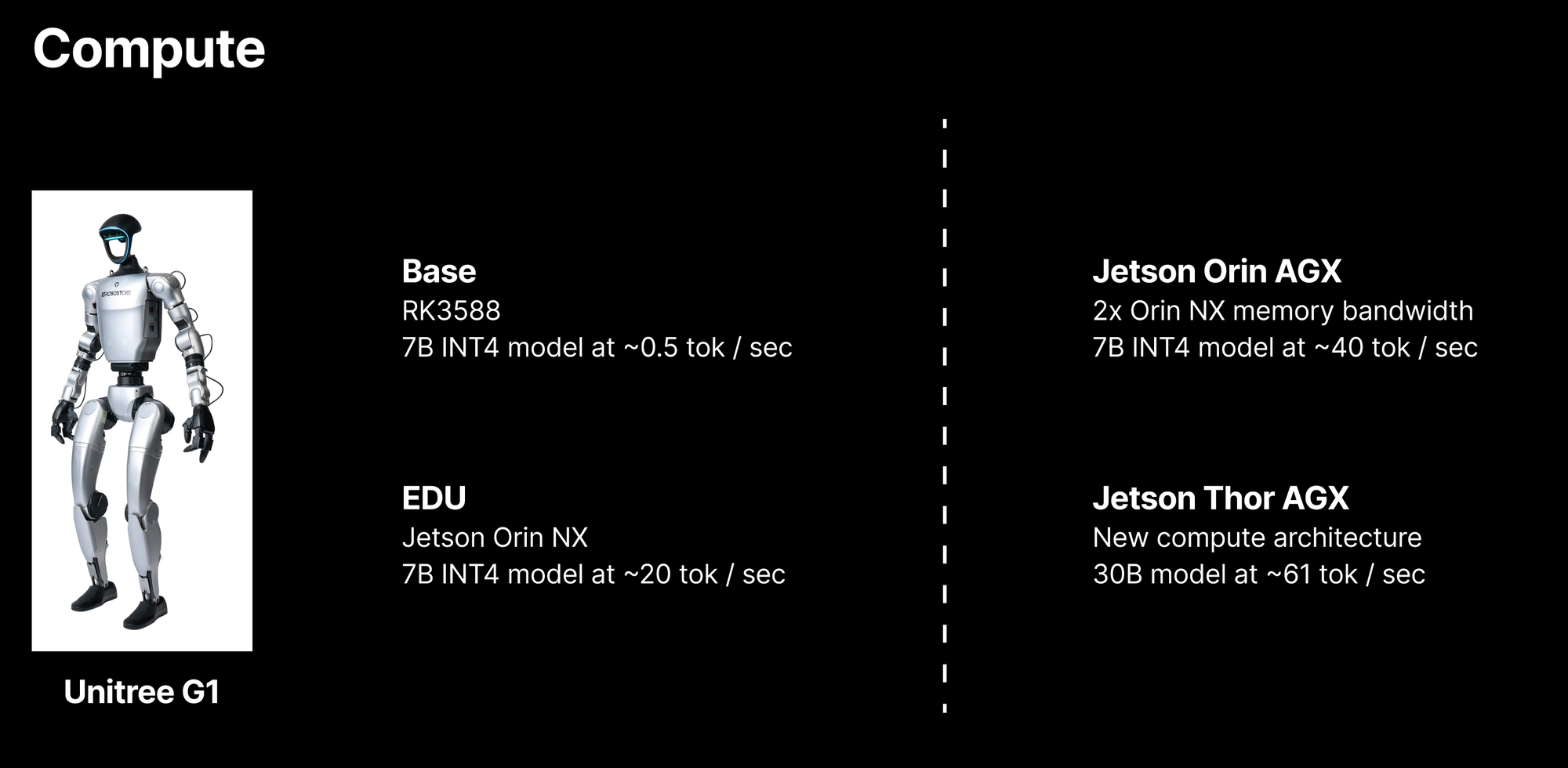
Humanoid robots will need to run 7B+ parameter models locally for real-time control. NVIDIA Jetson is the incumbent, but there’s a window for compute companies that can be price-competitive for on-device inference. Chinese companies like Unitree are already onshoring their chip supply chains, moving from Raspberry Pi to Rockchip. Any company selling inference chips at humanoid-friendly price points should be on investors’ radar.
Camera Systems & Sensing
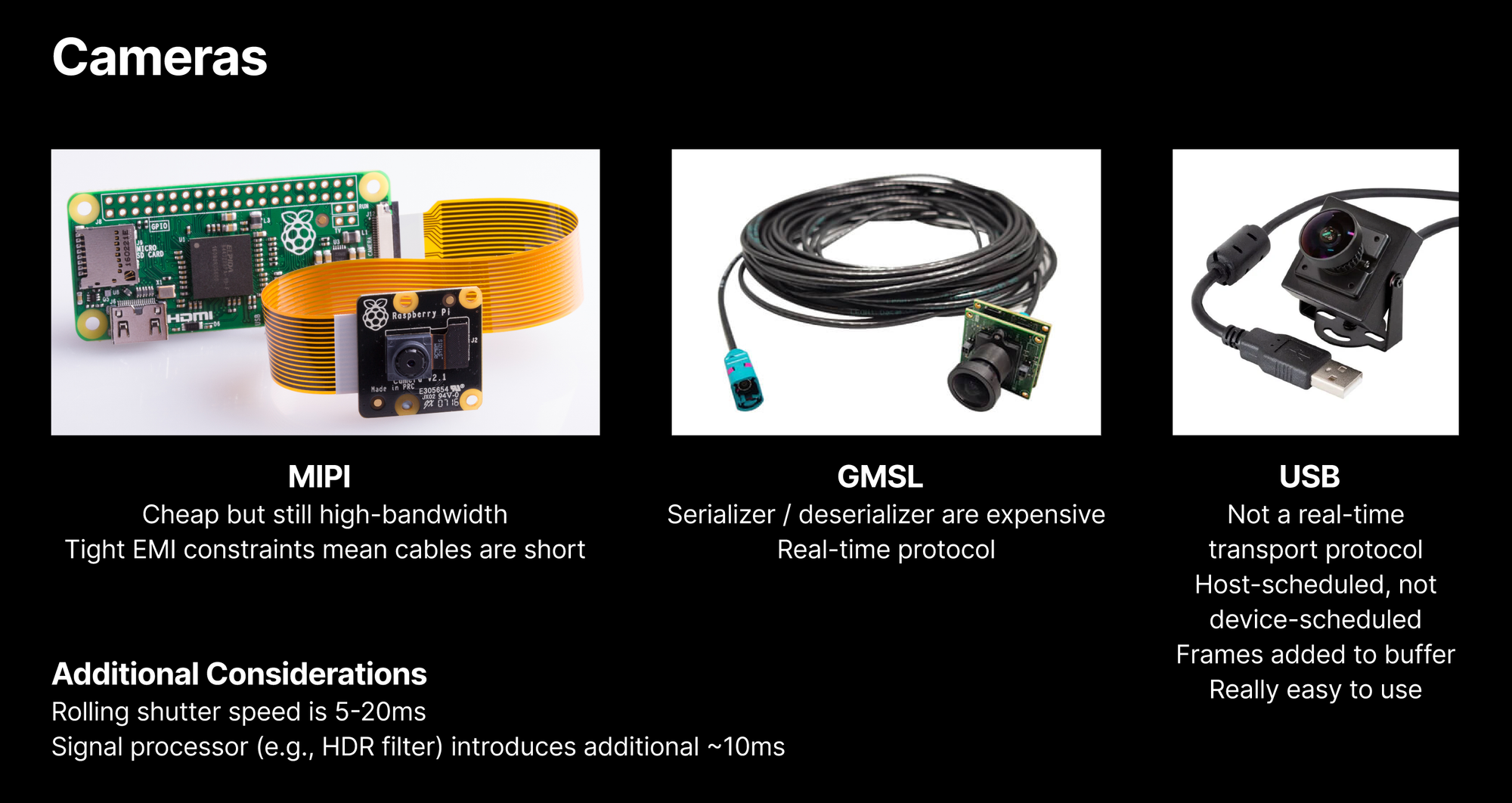
Ben expects MIPI cameras to win out over GMSL (too expensive at ~$10K per serializer) and USB (too high latency). This constrains camera placement: MIPI requires proximity to compute, meaning head-mounted cameras will likely dominate over hand cameras for manipulation tasks—a contrarian view in the robotics community.
Low-Cost Robot Arms & Manipulation
Ben highlighted Angel Robotics as a compelling example—with $1M invested, already generating $600K in revenue at 50% gross margins. The thesis: the cost of building a useful robot has collapsed. Two years ago, the cheapest viable robot was a Unitree. Today, the field is wide open.
Discipline Over Hype
Ben advised investors to look for companies that are disciplined by economics—ones that have de-risked the hardware and have clear product demand. He noted that “the world needs humanoid robots” is a non-falsifiable claim right now, so what matters is execution: How good are the people? How fast do they iterate? How lean is the operation? He cited iRobot and Kiva Systems as examples of robotics companies that hit their key inflection points with only ~$10M in funding—a stark contrast to the billions being thrown around today.
Bonus: VLAs Are the New Buzzword—Proceed With Nuance
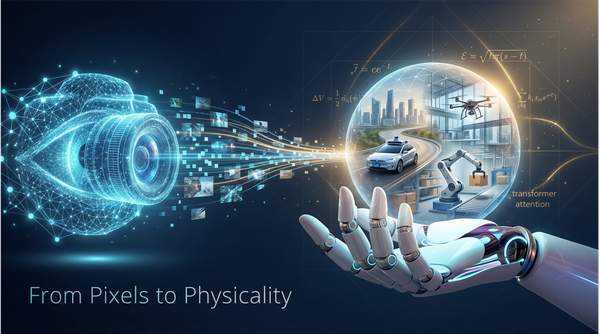
Vision-Language-Action (VLA) models—the idea of going from pixels to robot actions end-to-end—are the hottest term in robotics AI right now. But Ben cautioned against treating “VLA” as a magic word. It’s a paradigm, not a product. There are good VLA models and bad ones, just as there are good and bad wines. The label tells you the format, not the quality. Founders pitching VLA-powered robots should be able to articulate what specifically makes their approach better—not just that they’re using the paradigm.
The “AI Cake” Framework for Evaluating Robotics Companies
In a memorable moment from the Q&A, Ben described the modern AI stack as a layered cake: the base layer is unsupervised pre-training (trained on every YouTube video, every text corpus—billions of dollars of compute). The frosting is supervised fine-tuning. And the cherry on top is reinforcement learning.
When evaluating a robotics startup, investors should ask: which part of the cake does this company’s unique data feed into? If the startup’s data is already available on the internet, it may not add much. But embodied data—proprioceptive signals, real-world action sequences—doesn’t appear on the internet and represents a genuine data moat. That’s where the value lies.
Closing Thought: What Constitutes Magic?
Ben closed with a philosophical reflection that resonated with the room. He’s been doing machine learning since college, when the frontier was classifying handwritten digits. Today, it feels like “god dropped magical objects onto our laps.” But the question that matters for builders and investors isn’t just “what is super intelligent?”—it’s “what do humans perceive as magic?”
Humans care about interacting with other beings. The parasocial relationship people have with LLMs is already a form of that magic. A robot that moves through the world, responds to you, and helps you—that’s a step beyond. The companies that win will be the ones that make people feel something real.
Thank You, Ben
A huge thank you to Ben Bolte for an incredibly generous and candid session. Ben brought real depth—not marketing slides—to a room of investors, and the willingness to go deep into the physics, the trade-offs, and the honest uncertainties is exactly what this community needs. We’re grateful for his time, his openness, and his willingness to share hard-earned lessons from Tesla, Meta, K-Scale, and beyond. We look forward to watching what he builds next.
Follow Ben: @benjamin_bolte on X | ben.bolte.cc
About Shack15 Ventures Angel Syndicate
Shack15 Ventures is an early-stage fund investing at the angel and pre-seed stages, writing checks from $100K to $1M into technical founders building things that are hard to build and hard to copy. The Angel Syndicate co-invests alongside the fund deal-by-deal. Meetings are held monthly at Shack15 in San Francisco.
Written by Bogdan Cristei & Manus AI